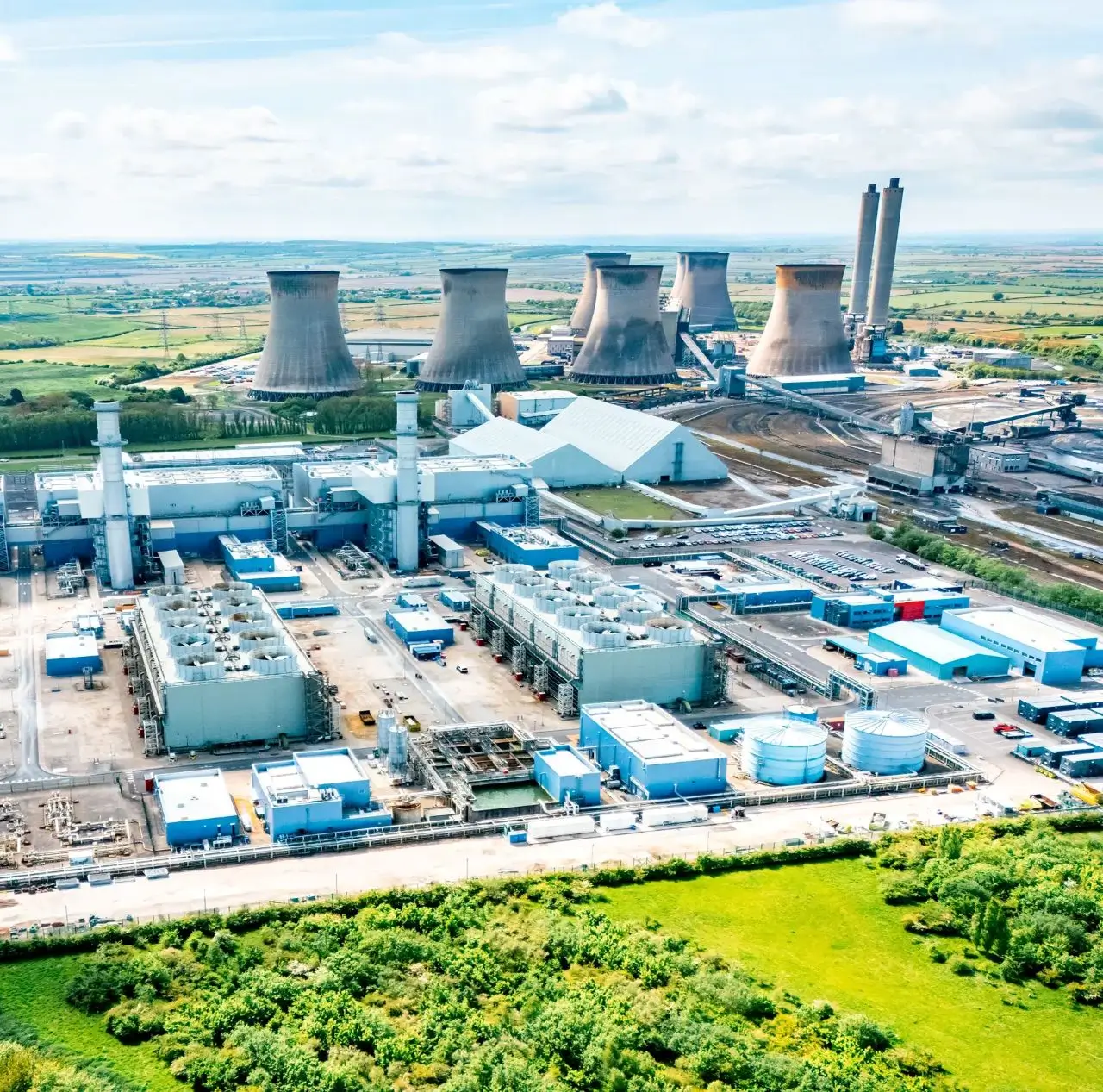
Deregulated Markets
Deregulated markets provide customers with a choice of their retail electricity and natural gas providers, and this can often lead to lower prices and better service options.
In deregulated markets, the “commodity” (actual electricity or natural gas) charges are competitive and charges for delivery are regulated and are usually a pass-through cost, being the same for all providers.
Prices may not be quoted on the same basis by all providers, and contracts are usually not standard, hence our expertise can be extremely beneficial.
A fixed commodity price usually but not always includes charges by the Independent System Operator (ISO), who operates the regional electricity grid, or the natural gas transmission company. Certain retailers may try to give the impression of lower commodity prices by treating ISO charges as pass-through costs.

Retail Providers
Retail providers are the only authorized companies to provide retail electricity or natural gas service to customers in deregulated states, and they must be certified by the public utility commission (PUC) of the state. Retail natural gas was deregulated in 1992 and retail electricity around 2000. Not all states are deregulated.
New entrants, consolidations, acquisitions, and business closures of retail providers occur almost every year, sometimes making the choice of a qualified provider a moving target. For a listing of authorized retail providers, customers can contact us.
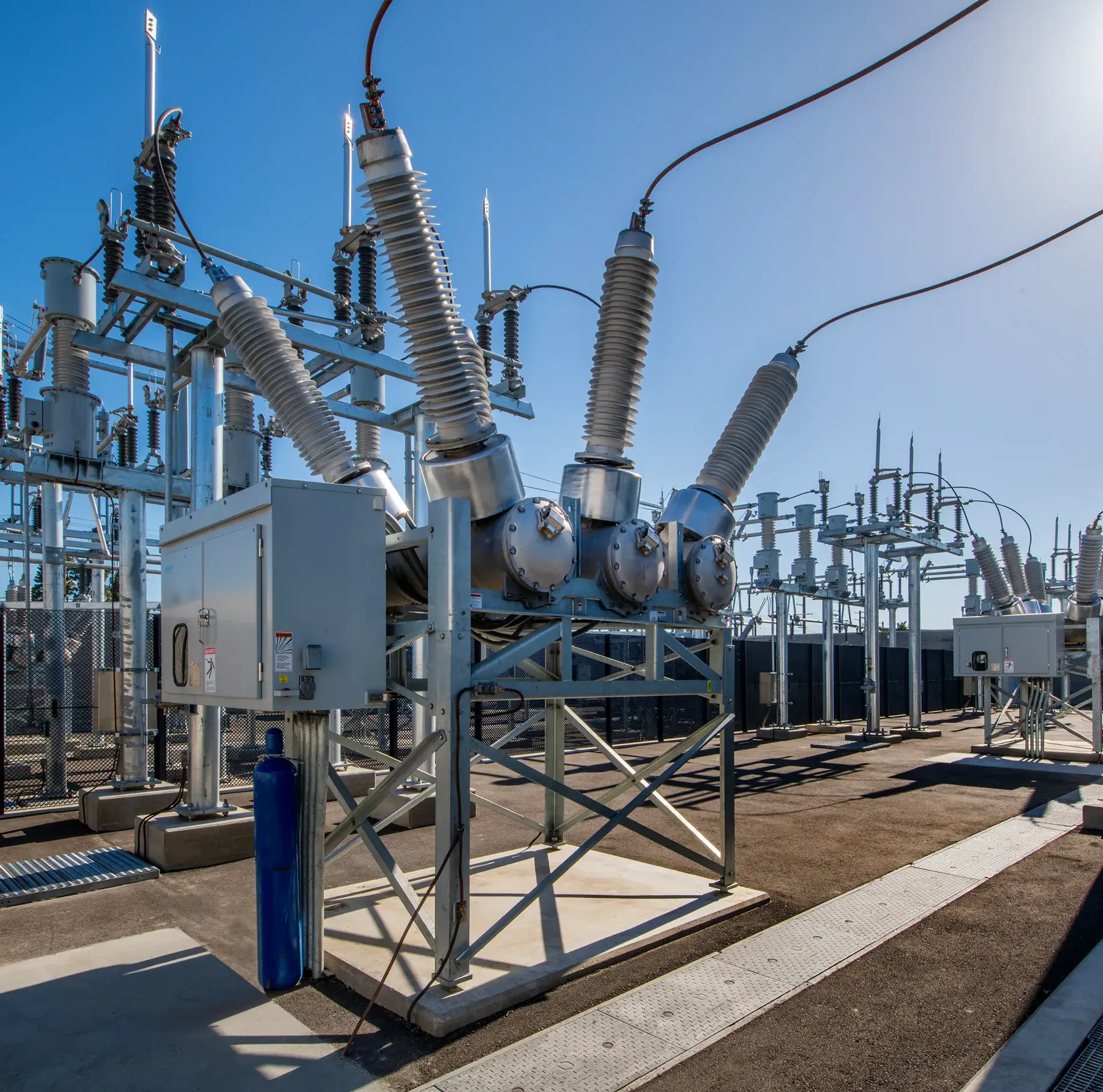
Transmission and Distribution Service Providers (TDSPs or “wires” companies) or Electric Distribution Companies (EDCs)
TDSPs or EDCs (name depends upon the locale) are the regulated companies that own the wires or pipes that deliver electricity or natural gas to customers. These companies (or operations) may still be a part of the incumbent utility company that historically served the area in question or are spin-offs.
Charges by these companies are regulated and vary with the type of meter and the customer’s usage and location and are the same irrespective of the retail provider a customer uses.
Independent System Operator (ISO)
Independent System Operators (ISOs) are independent agencies responsible for managing the electricity grids in specific areas. Examples are ERCOT (Electric Reliability Council of Texas) in Texas, PJM (Pennsylvania-New Jersey-Maryland Interconnection) for the namesake states, NEPOOL (New England Power Pool) for New England states, and NYPP (New York Power Pool) for New York.
The ISOs mission is to direct and ensure reliable and cost-effective operation of the electric grid and to enable fair and efficient market-driven solutions to meet customers’ needs. ISOs are non-profit agencies whose costs are usually embedded in retailer prices.

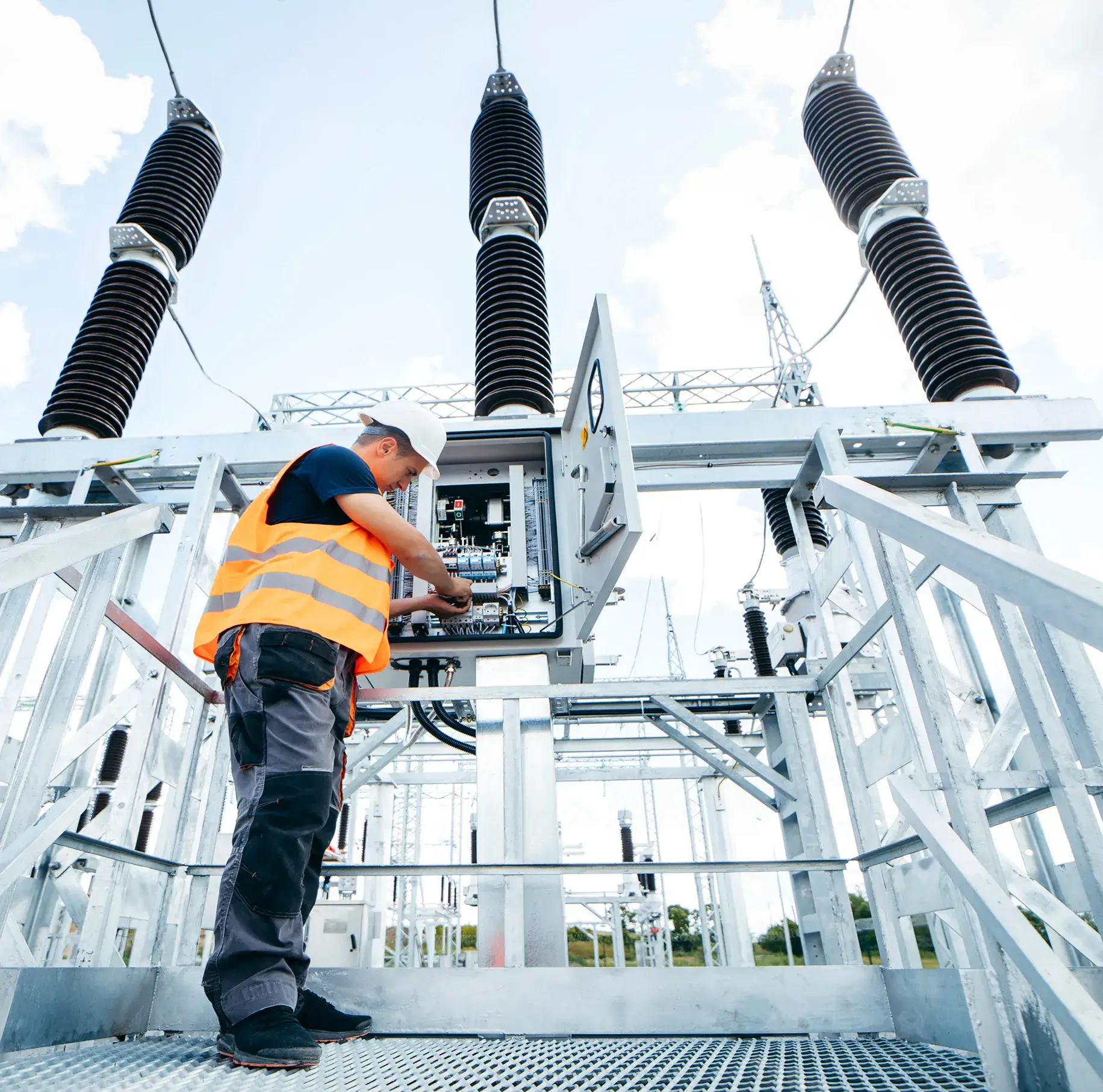
Public Utility Commissions
Public Utility Commissions regulate electricity and natural gas services in their respective states, including licensing retailers and sometimes other market participants such as consultants. Their websites are usually the best locations to obtain official information about deregulation in their states.